
Supporting Dog Rehabilitation: How You Can Help

Dogs are not just pets; they are family members who bring joy, companionship, and unconditional love into our lives. Unfortunately, many dogs face challenges that require rehabilitation, whether due to physical injuries, behavioral issues, or emotional trauma. Supporting dog rehabilitation is crucial for helping these animals regain their health and happiness. In this post, we will explore various ways you can contribute to this noble cause, making a difference in the lives of dogs in need.
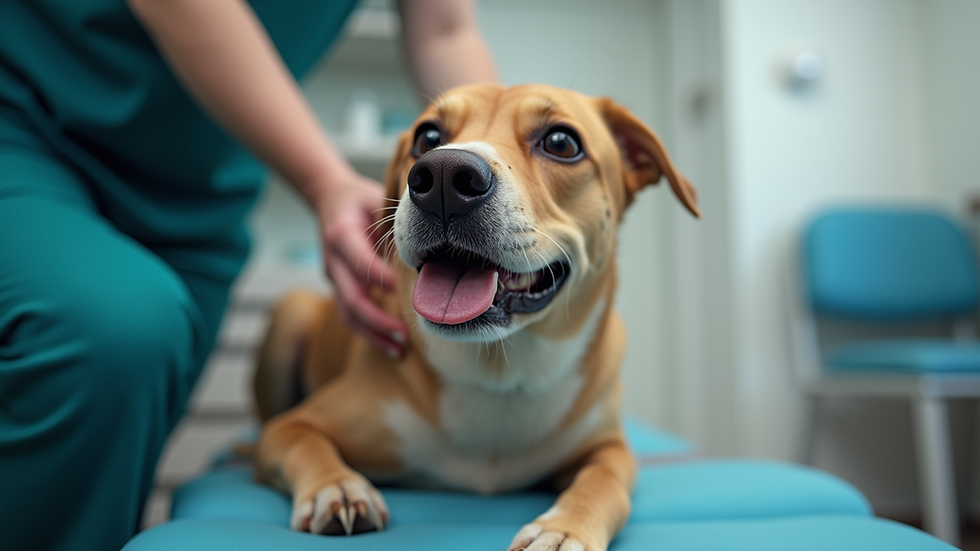
Understanding Dog Rehabilitation
Dog rehabilitation is a process aimed at restoring a dog's physical and emotional well-being. This can involve various therapies, including:
Physical Therapy: Helps dogs recover from injuries or surgeries through exercises and treatments designed to improve mobility and strength.
Behavioral Therapy: Addresses behavioral issues such as anxiety, aggression, or fear through training and positive reinforcement.
Hydrotherapy: Utilizes water to aid in recovery, providing low-impact exercise that is gentle on joints.
Massage Therapy: Promotes relaxation and healing by relieving muscle tension and improving circulation.
Understanding these rehabilitation methods is essential for recognizing how you can help.
Ways to Support Dog Rehabilitation
1. Volunteer Your Time
One of the most impactful ways to support dog rehabilitation is by volunteering at local shelters or rehabilitation centers. Your time can make a significant difference in the lives of dogs. Here are some ways you can contribute:
Fostering Dogs: Providing a temporary home for dogs in need can help them adjust to a loving environment while they undergo rehabilitation.
Assisting with Therapy Sessions: Many rehabilitation centers welcome volunteers to help during therapy sessions, providing support to both the dogs and the therapists.
Organizing Fundraising Events: Help raise funds for rehabilitation programs by organizing events like dog walks, bake sales, or charity auctions.
2. Donate Resources
Financial contributions are vital for rehabilitation centers to operate effectively. However, donations don’t always have to be monetary. Consider donating:
Supplies: Items such as dog food, toys, blankets, and medical supplies are always in demand.
Equipment: If you have access to rehabilitation equipment like treadmills, pools, or specialized toys, consider donating them to local centers.
Professional Services: If you are a veterinarian, trainer, or therapist, offering your services pro bono can greatly benefit rehabilitation efforts.
3. Spread Awareness
Raising awareness about the importance of dog rehabilitation can lead to increased support and resources for these programs. Here’s how you can help:
Share Your Knowledge: Use your social media platforms to educate others about dog rehabilitation and the needs of dogs in your community.
Host Informational Workshops: Organize workshops or seminars to inform pet owners about the benefits of rehabilitation and how they can support it.
Collaborate with Local Businesses: Partner with local pet stores or veterinary clinics to create awareness campaigns that highlight the importance of dog rehabilitation.
4. Advocate for Policy Changes
Advocacy plays a crucial role in improving the lives of dogs in rehabilitation. Consider the following actions:
Support Animal Welfare Legislation: Stay informed about local and national legislation that affects animal welfare and advocate for policies that support rehabilitation programs.
Engage with Local Government: Attend town hall meetings or community forums to voice your support for animal rehabilitation initiatives.
Create Petitions: If you identify a need for better resources or facilities for dog rehabilitation in your area, consider starting a petition to gather support.
5. Educate Yourself and Others
Understanding the challenges faced by dogs in rehabilitation can help you become a more effective advocate. Here are some ways to educate yourself:
Read Books and Articles: Explore literature on dog rehabilitation, training, and behavior to gain insights into effective practices.
Attend Workshops and Conferences: Participate in events focused on animal rehabilitation to learn from experts and network with like-minded individuals.
Engage with Professionals: Connect with veterinarians, trainers, and therapists to gain firsthand knowledge about the rehabilitation process.
The Impact of Your Support
Your involvement in dog rehabilitation can lead to significant changes in the lives of many dogs. Here are some examples of the positive outcomes your support can create:
Improved Quality of Life: Dogs that receive rehabilitation often experience enhanced mobility, reduced pain, and improved behavior, leading to a happier life.
Increased Adoption Rates: Rehabilitation programs can help prepare dogs for adoption, making them more appealing to potential owners.
Community Engagement: Your efforts can inspire others to get involved, creating a community dedicated to the well-being of dogs.
Real-Life Success Stories
To illustrate the impact of dog rehabilitation, consider the following success stories:
Case Study 1: Max the Rescue Dog
Max was a rescue dog who suffered from severe anxiety and fear-based aggression. After being taken in by a local rehabilitation center, he underwent behavioral therapy and socialization training. With the support of volunteers and donations, Max learned to trust humans again. He was eventually adopted by a loving family who continues to support his ongoing needs.
Case Study 2: Bella's Journey
Bella, a Labrador Retriever, faced mobility issues after a car accident. Through physical therapy and hydrotherapy, she regained her strength and was able to walk again. The rehabilitation center received funding through community donations, allowing them to provide Bella with the necessary treatments. Today, Bella enjoys a happy and active life with her new family.
Conclusion
Supporting dog rehabilitation is a rewarding endeavor that can significantly impact the lives of dogs in need. Whether you choose to volunteer, donate, spread awareness, advocate for policy changes, or educate yourself and others, your efforts can help create a brighter future for these animals. Remember, every small action counts. Together, we can make a difference in the lives of dogs and ensure they receive the care and love they deserve.
Take the first step today by reaching out to your local rehabilitation center or animal shelter to see how you can get involved. Your support can change lives—one wagging tail at a time.


Comments